
Super Student Pathway · 01
Mathematics Excellence
Train for the Olympiads. Aim for the top.
A maths track that begins in the early years, with structured training for national and international Maths Olympiads.
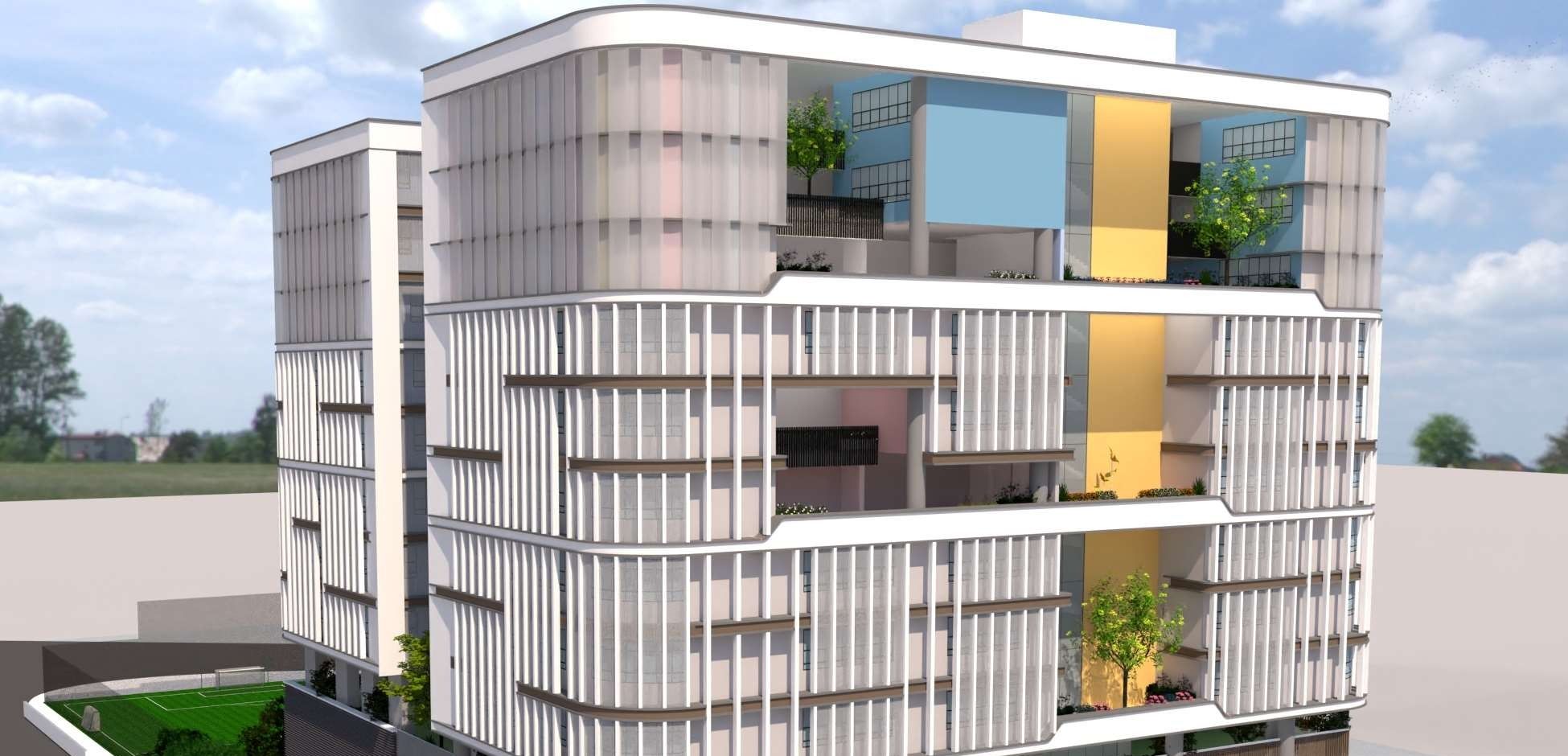
A new age school for Gen Beta and the post-AI world, where every child chooses a Super Student Pathway and excels in it.
In 1984, Benjamin Bloom found that an average child taught one-to-one does better than 98% of children taught in a class. Duama Bay is built to give every child that advantage.
Yourself, fully. Individuality is where we start.
To a class, a community, and a larger whole that holds them.
The very best version of themselves, on their own terms.

What if every child were taught like an individual? That question became Duama Bay.
We will not create extraordinary children. We will reveal the extraordinary that has always been within them.
Ambuj Jhunjhunwala
Find what each child loves, then protect it.
Real mastery, not surface familiarity.
Integrity, resilience, empathy and courage.
Strong outcomes, as evidence the goal was met.
Gaps pile up, because the class has to move on.
Each step is mastered before the next begins.
Ulwe, Sector 9, Navi Mumbai: a light-filled, green campus designed around the child. Tap a pin to explore.
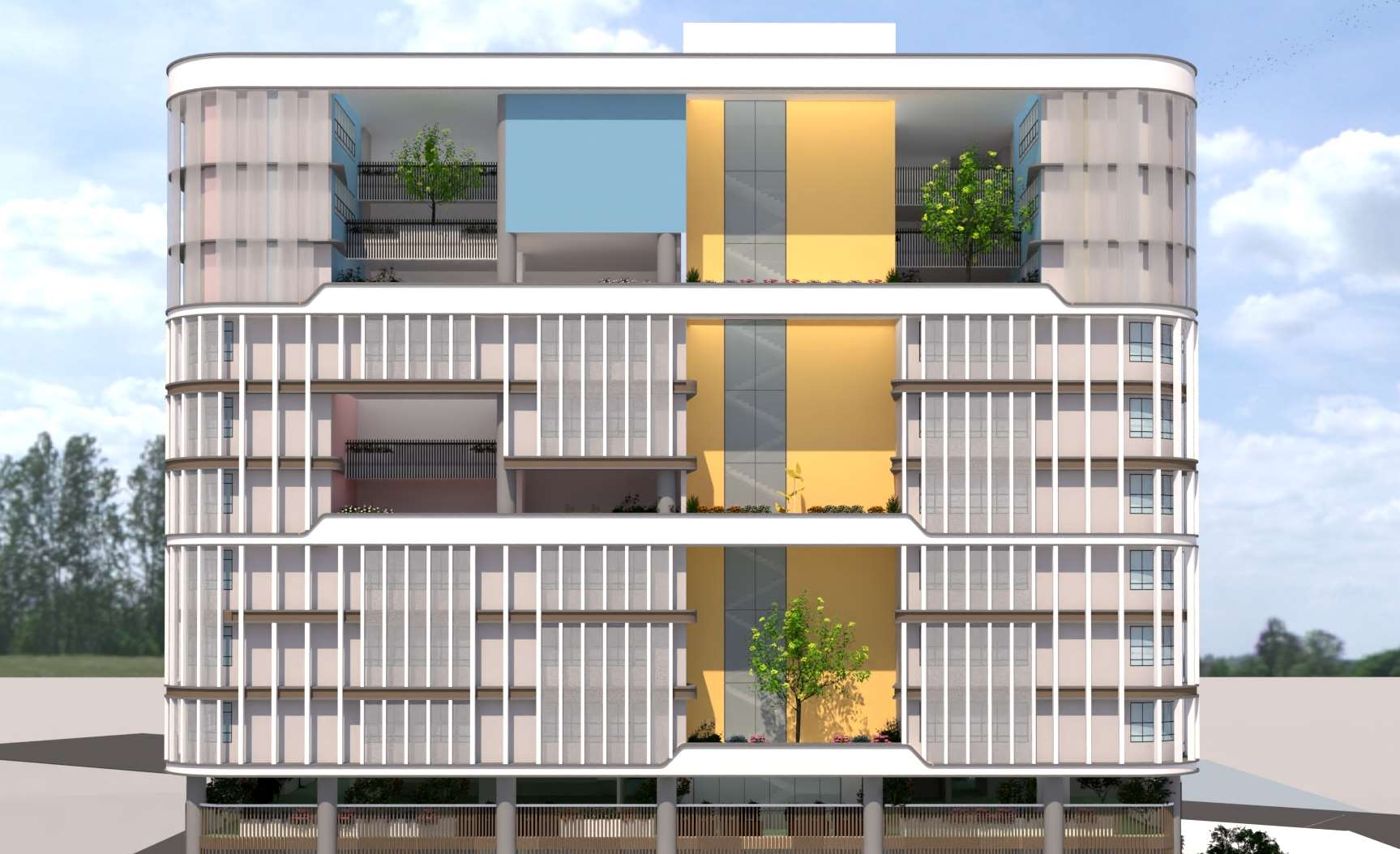 Architect's render
Every classroom has them. Duama Bay is built for all of them.
Asks ten questions before the lesson starts. Here: goes deeper, not slower.
Understands deeply, just not on the timetable. Here: moves on only after mastery.
Learns by building, drawing, telling stories. Here: subjects meet, ideas connect.
Has a passion nobody has asked about yet. Here: Passion is the first of our Four Ps.
A child taught as an individual outperforms 98% of children taught as a group (Bloom, 1984). Duama means Du — two sigma — and Ama — love.
Duama Bay is built around five Super Student Pathways, and a sixth that children define for themselves. Each child chooses a pathway, trains with experts, and joins a cohort of 15 to 20 children. There is no fixed age or grade band: selection is by aptitude.
Train for the Olympiads. Aim for the top.
A maths track that begins in the early years, with structured training for national and international Maths Olympiads.
Intensive training, built into the school day.
Structured, intensive cricket training for children who want cricket to be their craft.
Practise. Perform. Publish.
Dedicated rooms and studios to rehearse, meet experts, host their own shows, record albums and publish them, and compete in national events.
Build a real company while still at school.
An entrepreneurship track for children in the middle years who know their path lies in business: they start their own companies and earn revenue within school hours.
Invent. Build. Test.
School labs and tinkering spaces, with experts close at hand, where students explore and create their own innovations.
Not on the list? Define it.
A child with a distinct talent or passion can propose a pathway of their own, with a mentor and a plan agreed with the school.
Our first community is 100 Super Students: cohorts of 15 to 20 children in each of the five Super Student Pathways, plus 10 to 20 children who define a pathway of their own. Every dot is a child who chose where to excel.
Illustration: 16 children in each pathway cohort and 20 on a pathway of their own.
Pick the discipline your child wants to excel in, or propose their own.
Share a short profile and, where relevant, a portfolio.
An aptitude test, then a pathway round: trial, audition, pitch or showcase.
A cohort of 15 to 20 children is chosen for each pathway.
Train with experts and grow alongside the best.
Choose the pathway your child wants to excel in. There is no fixed age or grade band; selection is by aptitude test and a pathway round.
The Duama Bay story in seven pages.